7 Signs Your Condo’s Visitor Registration Process Is a Security Risk
4
October
2026
MERCHANT
Promote your best aircon services on our platform where residents can avail through myCondo.
RESIDENT
Experience better condominium living and facilitate transactions for all your condo-related needs, including buying and selling products and services.
CONDO MANAGEMENT
Condo Managers get intuitive online-based system with exciting new features in administering units.

SHARE
Is your condo’s visitor registration putting residents at risk? If your guardhouse still relies on a paper logbook, collects full NRIC numbers, or cannot tell you who is on the estate right now, the answer is probably yes. Below are seven warning signs that MCST councils, managing agents and security teams in Singapore should check for, with a practical fix for each one.
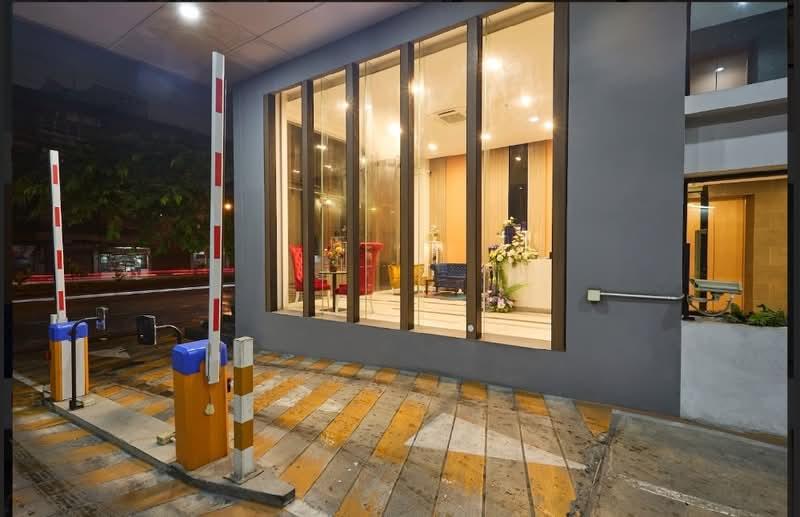
Visitor registration is the front door of every condominium. Most incidents that end up at an MCST council meeting, from parcel theft to unauthorised parking to a stranger found in a stairwell, start with someone getting past the gate who should not have. A good visitor process stops this without making life harder for residents, their guests or the security officers on duty.
Use this article as a checklist. Walk through each sign with your managing agent and security supervisor, and note which ones apply to your estate.
Paper logbook vs digital visitor management
| What matters | Paper logbook | Digital visitor management |
|---|---|---|
| Who is inside now | Unknown without a manual count | Live list on the guard tablet |
| Identity check | Handwritten, unverified | Pre-registered or approved by the resident |
| NRIC under PDPA | Full NRIC often written down | Partial identifier or none needed |
| Contractor access | Relies on guard memory | Pass expires automatically |
| Incident search | Hours flipping pages | Seconds, matched to CCTV time |
| Peak-hour queue | Every visitor stops to write | QR scan or plate read |
Ask the officer at your guardhouse a simple question: how many visitors are on the estate at this moment, and which units are they visiting? If the answer requires flipping through a logbook and counting entries without matching exits, your visitor process has a blind spot.
This matters most in an emergency. During a fire alarm or evacuation, the security team needs to know roughly how many non-residents are on site. It also matters for everyday security. A visitor who signed in at 2pm for a 30-minute delivery but never signed out should be followed up, not forgotten.
What good looks like:
A digital visitor management system makes this a screen on the guard’s tablet rather than a counting exercise. With myCondo, each pass has a time window, and the guardhouse dashboard shows who is in, who has left and who has overstayed.
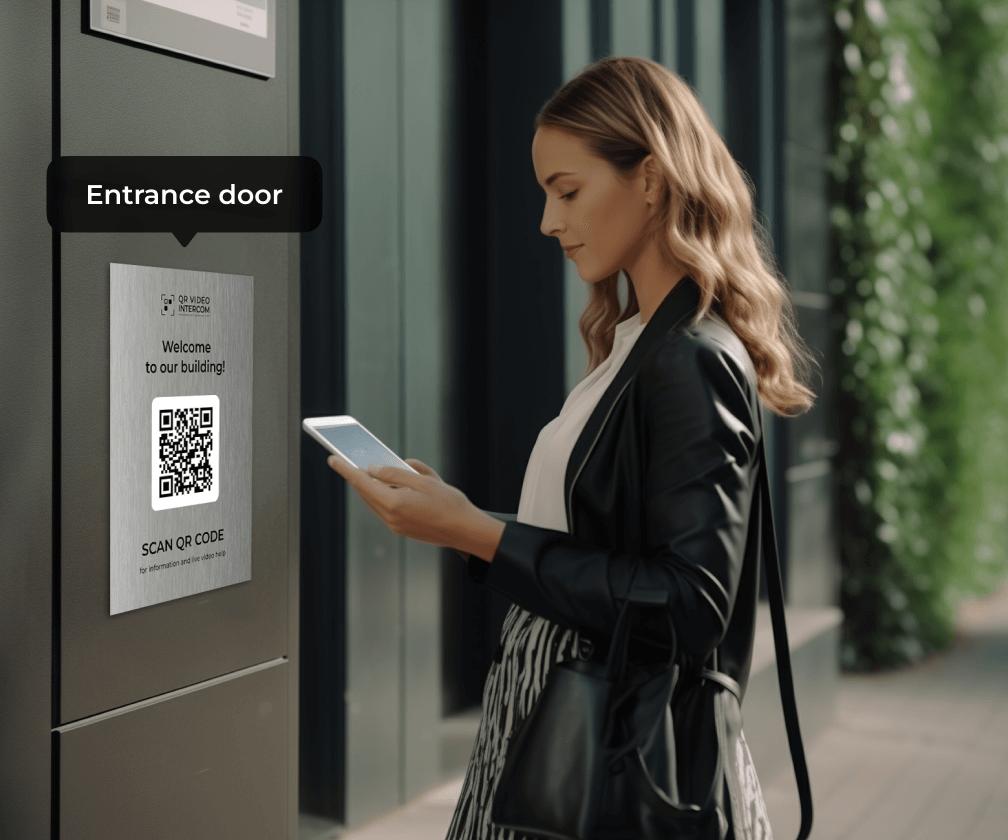
In a logbook system, the visitor writes their own name, the unit they are visiting and sometimes a contact number. The officer has no easy way to confirm any of it. A person can write any unit number and walk in, especially at busy times when the guard is also handling deliveries and phone calls.
The strongest check is simple: the resident should confirm the visitor before they arrive, or at the gate. When residents pre-register guests, the security officer is no longer guessing. They are verifying.
What good looks like:
In the myCondo app, residents can invite visitors in a few taps and receive a call or notification when an unexpected guest arrives. They can then open the gate remotely or decline entry, without walking down to the lobby.
This is the sign that carries legal risk. Under the Personal Data Protection Act (PDPA), MCSTs are treated as organisations responsible for the personal data they collect, including visitor data. The PDPC’s Advisory Guidelines on NRIC numbers, in force since September 2019, say organisations generally should not collect full NRIC numbers or physical NRIC cards unless the law requires it or it is necessary to verify identity to a high degree of fidelity. Routine visitor registration at a condominium usually does not meet that bar.
Common problems we still see at Singapore condos include:
Each of these creates a data breach waiting to happen, and the MCST is accountable. The PDPC’s guidelines for management corporations are worth reading at your next council meeting.
What good looks like:
A digital system helps because the resident’s pre-registration does most of the identity work. The guard sees the visitor’s name and pass, checks it against the person in front of them, and records nothing more than necessary.
Renovation workers, aircon servicing teams, movers and cleaners make up a large share of daily visitors in many Singapore condos. They are also one of the hardest groups to manage. A renovation permit might run for six weeks, with a different worker turning up each day.
Typical warning signs include:
What good looks like:
myCondo lets managing agents issue time-limited passes to contractors and see every entry against the unit. When the permit ends, access ends too, with no need to collect cards.
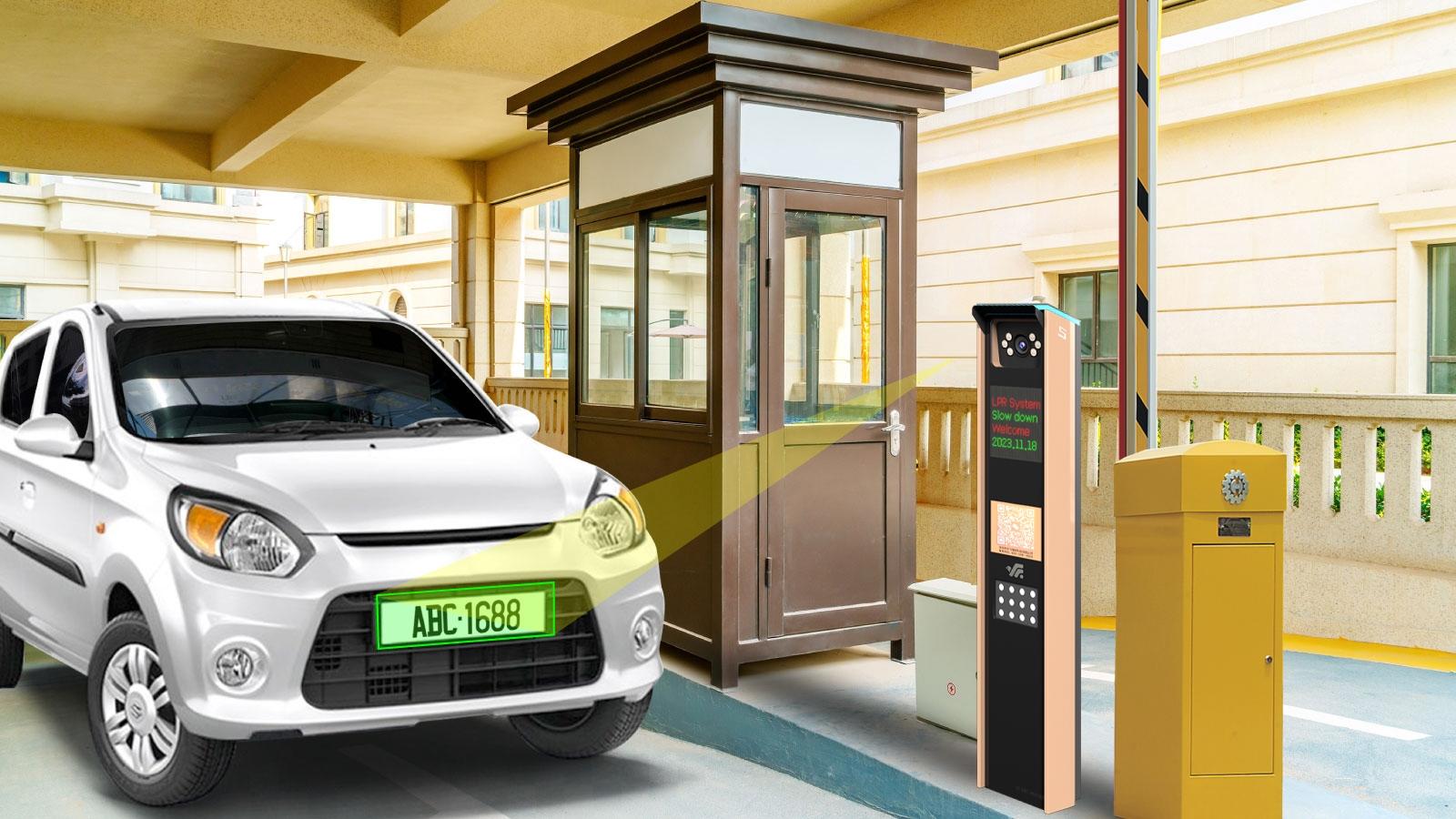
Visitor cars are a frequent source of complaints. Residents report guests taking their lots, unknown vehicles parked overnight and long queues at the barrier during dinner time and weekends. If your guard has to stop each car, read the plate, write it down and lift the barrier manually, mistakes are inevitable.
Licence plate recognition (LPR), also called ANPR, solves most of this. A camera at the entrance reads the plate, checks it against a list of resident and pre-registered visitor vehicles, and opens the barrier only for allowed vehicles. Every entry and exit is logged with a photo and time stamp.
myCondo integrates with LPR cameras from partners such as Dahua Technology and Hikvision. Two examples of what this hardware can do:
When a resident pre-registers a guest’s car in the myCondo app, the plate is added to the allowed list for that visit only. The barrier opens automatically when the guest arrives and the visit is closed when they leave, so there is no permanent access for occasional visitors.
Partner hardware that myCondo integrates
| Partner | Product example | Key specifications | Role at the condo |
|---|---|---|---|
| Akuvox | X915S smart door station | 8-inch touchscreen; face recognition with anti-spoofing; QR, PIN, Bluetooth and RFID; up to 20,000 faces; IP66 and IK10 | Pedestrian gates and lobby doors |
| Dahua Technology | ITC413-PW4D access ANPR camera | 4MP; allowlist and blocklist up to 110,000 each; 2 relay outputs for the barrier; IP67 and IK10 | Car park entry and exit |
| Hikvision | DeepinView ANPR camera (iDS-2CD7A26G0/P-IZHS) | Deep-learning plate recognition; allowlist and blocklist up to 10,000; vehicle type and colour; IR 50 to 100 m; IP67 and IK10 | Car park entry and CCTV |
| Milestone | XProtect video management software | Open platform supporting 16,500+ devices; desktop, web and mobile clients | Recording and reviewing CCTV linked to access events |
Imagine a resident reports that a parcel was taken from outside their door on Saturday afternoon. With a paper logbook, the managing agent has to find the right page, read handwritten entries, then ask the CCTV vendor to pull footage for a rough time window. This can take hours or days, and the trail often goes cold.
What good looks like:
This is where integration between visitor management and your video system pays off. myCondo works alongside video platforms such as Milestone XProtect, an open-platform video management software that supports more than 16,500 camera and device models and offers desktop, web and mobile viewing. It also works with Hikvision recorders that many Singapore condos already have installed. When an access event and its video can be found together, an investigation that used to take an afternoon can take a few minutes.
A quick note on terms: in the security industry, “VMS” can mean a visitor management system (who is allowed in) or a video management system (recording and reviewing CCTV). A strong condo setup needs both, connected to each other.
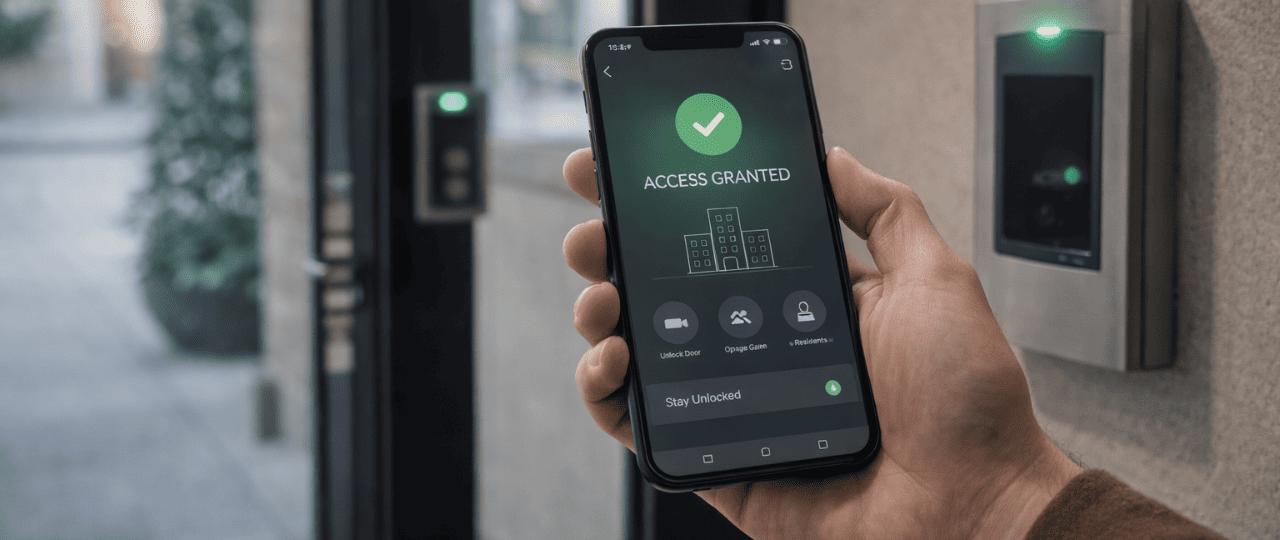
Long queues at the main gate are more than an inconvenience. When officers are rushed, they skip checks. Food delivery riders, guests arriving for a gathering and residents’ drivers all compete for the same officer’s attention, and the visitor who should have been stopped walks through in the confusion.
Look out for:
What good looks like: pre-registered visitors scan a QR code or are recognised by plate or face, and only genuinely unexpected visitors need to speak to the guard. That frees officers to focus on the cases that need judgement.
For pedestrian entry, myCondo integrates with smart door stations such as the Akuvox X915S, which has an 8-inch touchscreen, face recognition with anti-spoofing, and supports QR codes, PIN, Bluetooth and RFID cards. It is rated IP66 and IK10 for outdoor and vandal resistance, and it can store up to 20,000 faces, which is enough for even the largest Singapore estates. Visitors with a valid myCondo pass scan their QR code and walk in. Residents can also open the door for a guest directly from the myCondo app.
How a visitor gets in with an integrated system
| Step | What happens | What is recorded |
|---|---|---|
| 1. Resident invites | Visitor added in the myCondo app with date, time and car plate | Invitation, unit, time window |
| 2. Pass is sent | Visitor receives a QR pass valid only for that window | Pass issued |
| 3. Car arrives | Dahua or Hikvision LPR camera reads the plate and lifts the barrier for allowed vehicles | Plate photo and entry time |
| 4. Walk-in entry | QR, face or card at an Akuvox or Hikvision door station | Door, credential and time |
| 5. Exit and audit | Exit is logged and the visit closes; entries can be matched to Milestone or Hikvision footage | Exit time, full visit trail |
You do not need to replace everything at once. Most condos can fix the biggest gaps within a month by following these steps.
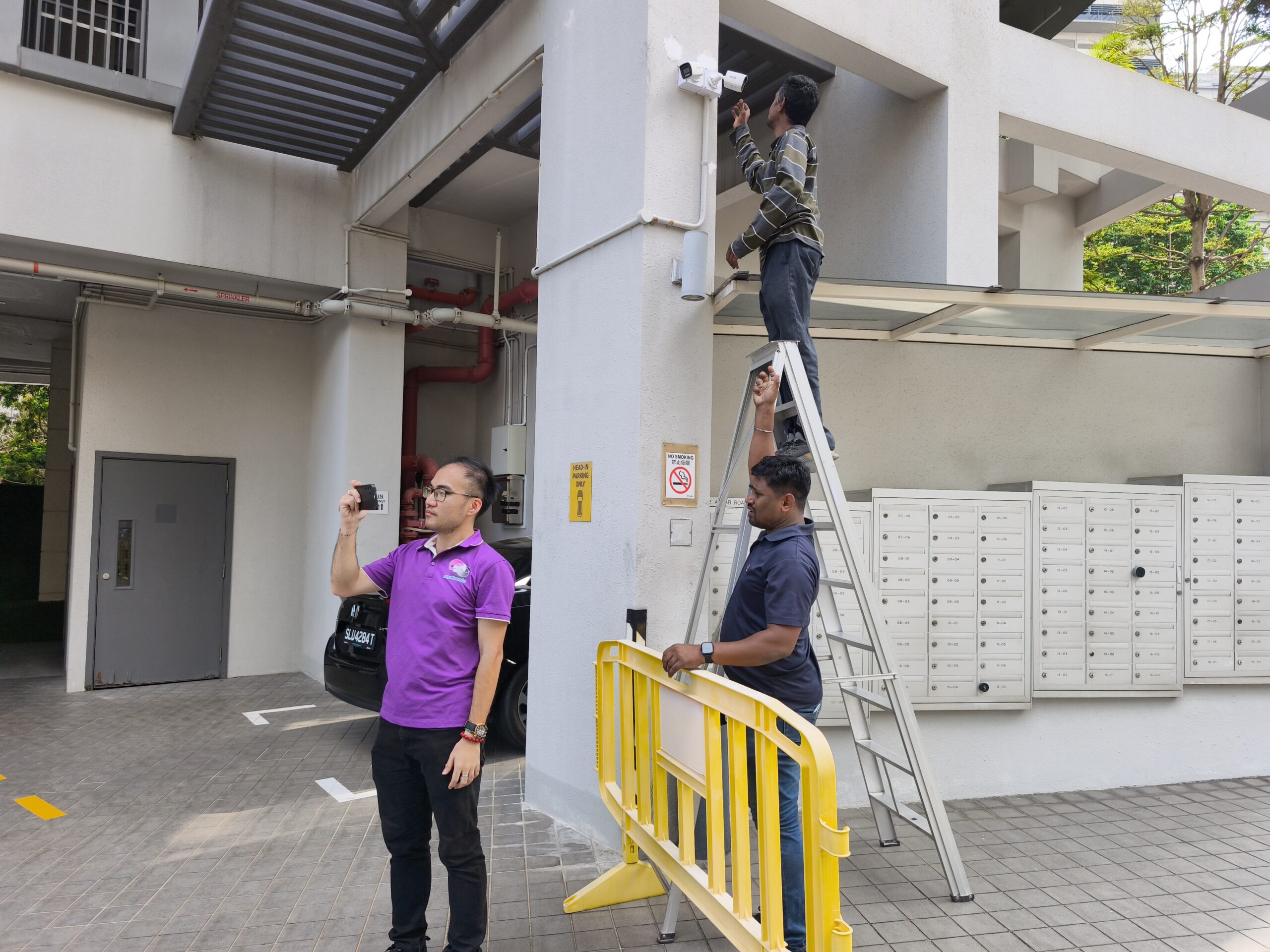
myCondo is a Singapore property technology company built around how MCSTs, managing agents and security agencies actually work. We do not replace your security officers. We give them better tools.
Under PDPC guidelines, organisations including MCSTs should generally not collect full NRIC numbers or hold physical NRIC cards for routine visitor registration. A partial identifier, the visitor’s name and contact number, or the resident’s confirmation is usually enough.
It is software that lets residents pre-register guests, lets security officers verify and log every visitor, and gives managing agents searchable records. Advanced systems connect to barrier gates, LPR cameras, intercoms and CCTV.
Not always. Many existing systems from brands such as Hikvision and Dahua can be integrated. A site survey will show what can stay and what needs upgrading.
It depends on the estate size and the hardware involved. A software-only rollout of pre-registration and QR passes is faster than one that also adds LPR cameras or new door stations. Our team will give you a timeline after the site survey.
No. Guards can still register walk-in visitors and call the unit for approval. Residents who prefer not to use the app are not locked out of the process.
If you spotted two or more of these signs at your condo, it is time for a closer look. Our team will visit your estate, review your guardhouse process and existing equipment, and recommend practical next steps, with no obligation.
WhatsApp or call: +65 8812 3888
Email: [email protected]
Address: 8 Ubi Road 2, #07-13 Zervex, Singapore 408538
Website: www.mycondo.sg
Related reading: Can Technology Replace Security Agencies? and Smarter, Safer, and More Convenient Condo Living.
YOU MIGHT ALSO LIKE
How do QR code visitor passes work in a condo, and are they safe? A resident invites a guest through the condo's app, the guest receives a QR code that is valid only for a set time, and they scan it at the gate or door to enter. When the pass is time-limited, tied to...
Can your condo guard ask for your visitor's NRIC? A security officer may look at a visitor's photo ID, such as an NRIC, to check who they are. But under Singapore's PDPA, a condo should generally not record the full NRIC number or keep the physical card. Name and...
Can technology replace security agencies? No. The best residential security management system empowers security officers with smarter, safer operations. One of the biggest misconceptions about property technology is that it replaces security guards. At myCondo...
NEVER MISS OUR ARTICLES
Get our stories delivered from us to you.