Guardhouse Bottlenecks: How to Cut Peak-Hour Queues at Your Condo’s Main Gate
6
October
2026
MERCHANT
Promote your best aircon services on our platform where residents can avail through myCondo.
RESIDENT
Experience better condominium living and facilitate transactions for all your condo-related needs, including buying and selling products and services.
CONDO MANAGEMENT
Condo Managers get intuitive online-based system with exciting new features in administering units.

SHARE
How do you cut peak-hour queues at a condo’s main gate? Separate traffic so residents, pre-registered visitors, deliveries and unexpected visitors do not share one lane; move registration before arrival with an app; let licence plate recognition and QR passes handle known visitors automatically; and free the guard to deal only with exceptions. Most estates can noticeably shorten queues within weeks without adding manpower.
Every condo has its rush hours. Weekday evenings bring residents home, food deliveries and school drop-offs at once. Weekends and festive periods bring visitors for gatherings. When one guard has to stop every car, check every visitor and answer the phone, the queue grows onto the public road, residents get frustrated, and checks get rushed.
Before changing anything, spend one week measuring. Simple observations at peak times are enough:
In most estates, the pattern is the same: residents pass quickly, but every visitor and delivery takes a minute or more because details are written by hand and units are called one by one. That is where the gains are.
Typical sources of delay and fixes
| Delay | Why it happens | Fix |
|---|---|---|
| Writing visitor details | Logbook entry for every visitor | Resident pre-registration in an app |
| Calling the unit | Guard must confirm unexpected visitors | App notifications so residents approve in one tap |
| Manual barrier operation | Guard checks and lifts the barrier for each car | Licence plate recognition for residents and registered guests |
| Delivery riders | Riders mixed with visitors in one queue | Separate delivery lane or drop-off point |
| One guard doing everything | Phone, gate, deliveries and patrol at once | Automate routine entries so the guard handles exceptions only |
Mixing all arrivals in one lane is the biggest cause of queues. Where the layout allows:
Even a simple sign that directs delivery riders to a side gate can take pressure off the main barrier.
The fastest visitor registration is the one that already happened. With a visitor management app, residents enter their guest’s name, time and car plate in advance. When the guest arrives, the system already knows them.
With myCondo, residents invite guests from their phone, and guests receive a QR pass. If the guest is driving, the plate is added to the allowed list for that visit only. The guard sees the expected visitors on screen and does not need to write anything down.
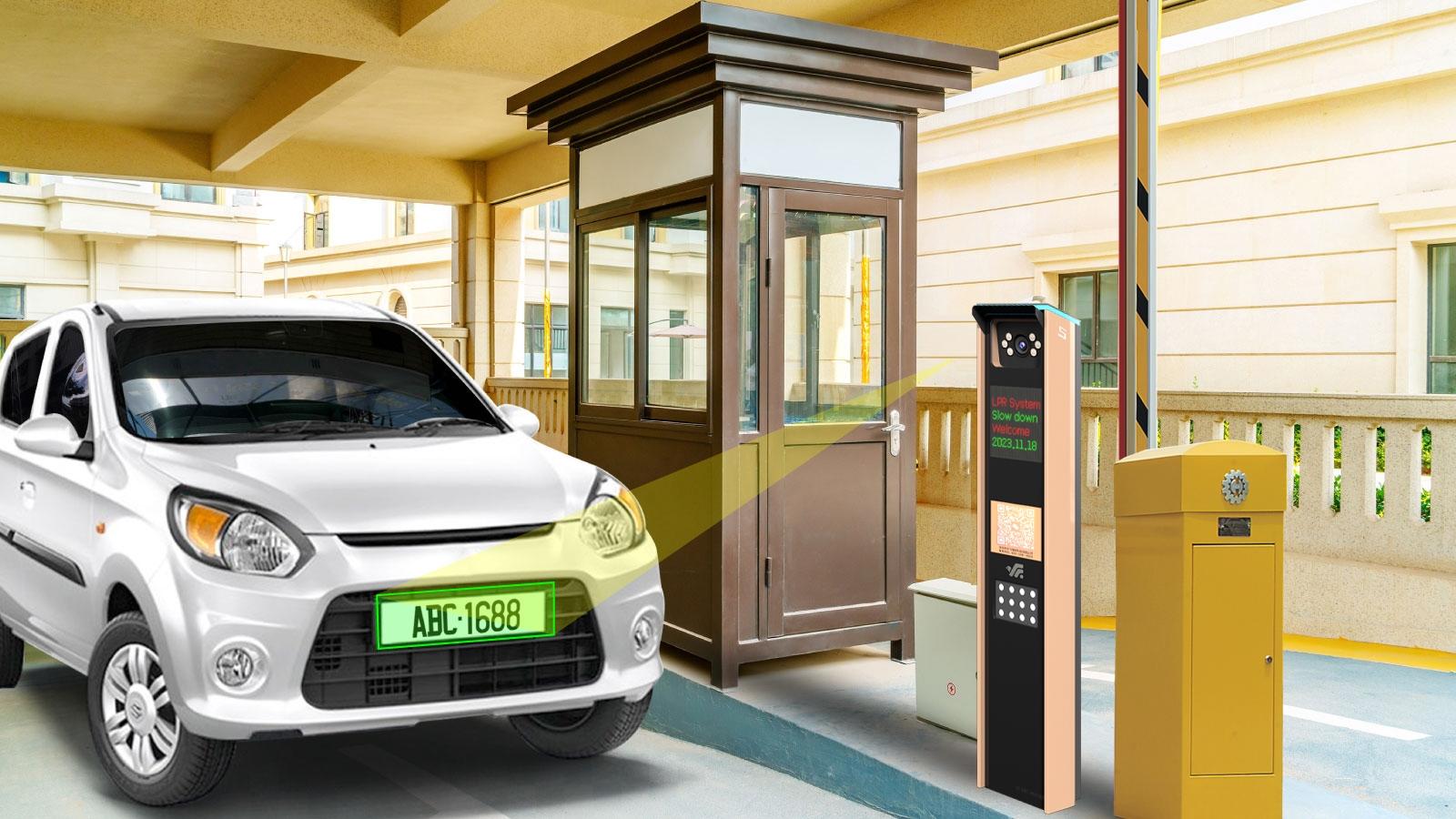
LPR cameras read plates and open the barrier automatically for residents and pre-registered guests. myCondo integrates with cameras from partners such as Dahua Technology and Hikvision. The Dahua ITC413-PW4D access ANPR camera has built-in relays to trigger the barrier, a 4MP sensor and allowlist capacity of up to 110,000 plates; Dahua quotes a recognition rate of 96% or higher for approaching and departing vehicles. Hikvision’s DeepinView ANPR cameras add vehicle type and colour detection.
Walk-in guests scan their QR pass at a door station instead of queueing. The Akuvox X915S reads QR codes and also supports face recognition, PIN, Bluetooth and RFID cards, so residents and guests use the same panel with different credentials.
For visitors who were not pre-registered, an app notification lets the resident approve or decline entry in seconds, instead of the guard calling the unit and waiting for someone to answer.
Once routine entries are automated, the guard’s role changes from processing every arrival to managing exceptions. Update the SOP so that at peak times the guard:
If you have a second officer at peak times, assign them to the delivery point or the pedestrian gate rather than to the same barrier.
Chinese New Year, Hari Raya, Deepavali and Christmas bring waves of visitors in a few hours. Prepare a week ahead:
With a digital system, you can measure queue drivers continuously: share of pre-registered visitors, number of walk-ins, peak arrival times and average processing times. Review these numbers at monthly managing agent meetings and share the improvements with the council and residents.
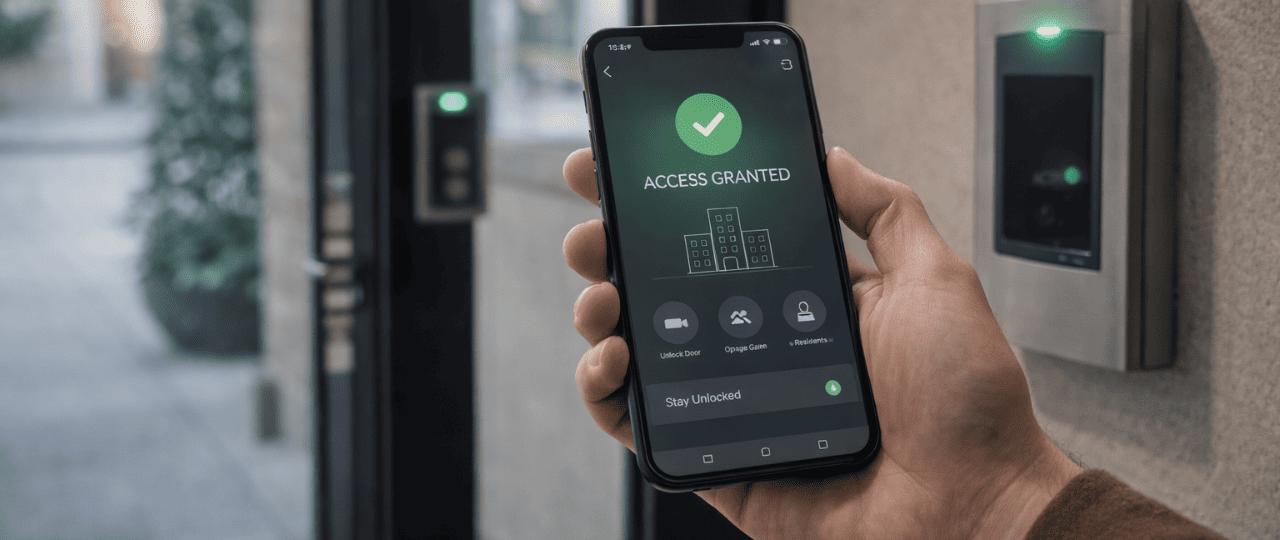
myCondo combines resident pre-registration, QR passes, one-tap approvals and integration with LPR cameras, barriers, door stations and CCTV from partners including Dahua Technology, Hikvision, Akuvox and Milestone. Guards see who is expected, residents see who has arrived, and managing agents get the data to keep improving. Our Singapore team provides setup, guard training and after-sales support.
Usually not. Automating routine entries frees existing guards to handle exceptions, which often has a bigger effect than adding manpower.
The guard can verify and open the barrier manually. Regular checks of camera angle and lighting keep recognition rates high.
Many barriers can be triggered by an LPR camera’s relay output. A site survey confirms compatibility.
They register at the guardhouse as before, and the resident approves. Pre-registration simply removes everyone else from that queue.
Process changes such as separate delivery points work immediately. Pre-registration improves as more residents adopt the app.
Our team can observe your peak hours, review your equipment and recommend practical changes, with no obligation.
WhatsApp or call: +65 8812 3888
Email: [email protected]
Address: 8 Ubi Road 2, #07-13 Zervex, Singapore 408538
Related reading: Tailgating at Condo Gates and Delivery Riders and Condo Security
YOU MIGHT ALSO LIKE
How can you prevent parcel theft in a Singapore condo? Stop parcels from sitting unattended. Use parcel lockers or guardhouse holding, register expected deliveries, control who can reach unit doors, and make sure lobby and corridor areas are covered by CCTV linked to...
How do you get an MCST council to approve a condo security upgrade? Present a short proposal that starts with evidence of the problem, compares two or three realistic options, shows the full cost over several years, explains how it will be funded and what residents...
What is tailgating at a condo, and how do you stop it? Tailgating is when someone without access follows an authorised person through a gate, door or car park barrier before it closes. It is the most common way strangers get into Singapore condos. You stop it with a...
NEVER MISS OUR ARTICLES
Get our stories delivered from us to you.