Paper Logbook vs Digital Visitor Management: A Side-by-Side Guide for MCSTs
5
October
2026
MERCHANT
Promote your best aircon services on our platform where residents can avail through myCondo.
RESIDENT
Experience better condominium living and facilitate transactions for all your condo-related needs, including buying and selling products and services.
CONDO MANAGEMENT
Condo Managers get intuitive online-based system with exciting new features in administering units.

SHARE
Should your condo replace its paper visitor logbook with a digital visitor management system? For most Singapore estates, yes. A digital system verifies visitors through the resident, records entry and exit automatically, keeps personal data under control for the PDPA, and turns hours of searching into seconds. The logbook still has one role: a backup when the system or power is down. This guide compares the two side by side so your MCST council can make the decision with confidence.
Many councils hesitate because the logbook “still works”. Guards are used to it, it costs almost nothing, and residents rarely complain about it directly. But the hidden costs show up elsewhere: slow queues, unverified entries, disputes nobody can settle, and personal data sitting in an open book at the guardhouse.
Paper logbook vs digital visitor management
| Criteria | Paper logbook | Digital visitor management |
|---|---|---|
| Who confirms the visitor | The visitor, by writing their own details | The resident, by inviting or approving in the app |
| Entry and exit times | Handwritten; exits often missing | Recorded automatically at each scan or plate read |
| Who is on site now | Manual count, often impossible | Live list on the guard’s screen |
| Personal data protection | Open book; full NRIC sometimes recorded | Access-controlled records with a retention period |
| Searching after an incident | Page by page, handwriting may be unreadable | Search by unit, name, vehicle or date in seconds |
| Peak-hour queues | Every visitor stops to write | Pre-registered guests scan and walk in |
| Contractor control | Depends on guard memory | Passes tied to permits that expire automatically |
| Reports for council meetings | Manual tallies | Visitor and vehicle statistics on demand |
| Upfront cost | Very low | Software subscription plus any hardware |
This is the most important difference. In a logbook system, the visitor writes their own name and the unit they are visiting. The guard has no reliable way to confirm either detail. A person who wants to get in can write any unit number.
In a digital system, the resident creates the invitation. The guard sees the visitor’s name and the inviting unit before the visitor arrives. If someone turns up who is not on the list, the guard calls or notifies the unit and waits for approval. Verification moves from “trust the visitor” to “trust the resident”, which is where it belongs.
Logbooks suffer from the same problems everywhere: missing exit times, unreadable handwriting, wrong vehicle numbers and pages that get wet or torn. Even a diligent guard cannot fix a record that was wrong when it was written.
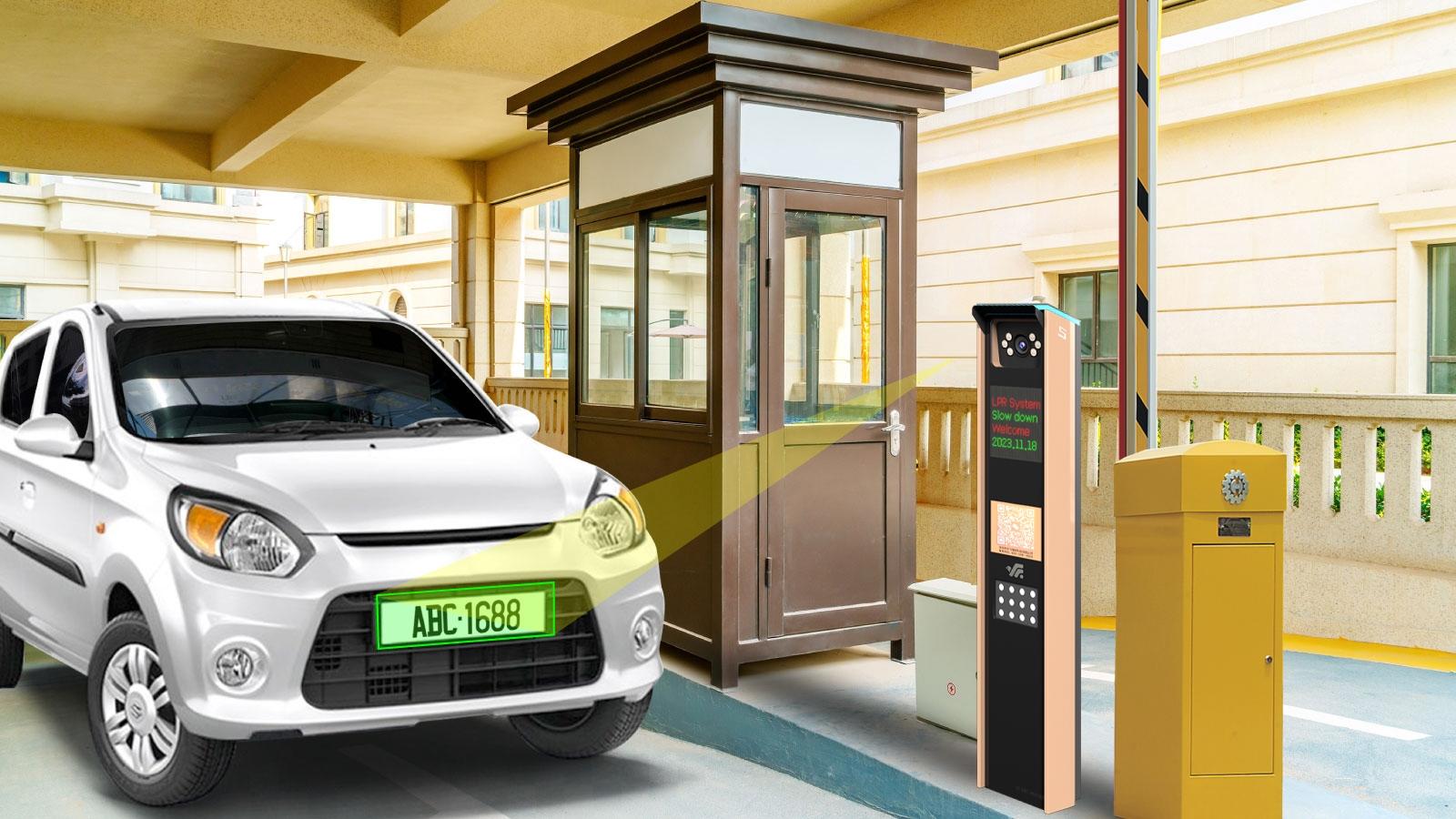
Digital records are created by the system. Entry and exit times come from QR scans, door stations or licence plate recognition cameras, not from someone’s watch. When myCondo is connected to an LPR camera from partners such as Dahua Technology or Hikvision, each vehicle entry is stored with the plate, a photo and a time stamp, and pedestrian entries at an Akuvox door station are logged with the credential used.
An open logbook at the guardhouse is a privacy problem. Any visitor can read the entries above theirs, which may include names, phone numbers, unit numbers and sometimes full NRIC numbers. Under the PDPA, the MCST is responsible for protecting this data, and the PDPC’s guidelines generally discourage collecting full NRIC numbers for routine visitor registration.
A digital system limits who can see visitor data, records only what is needed, and can delete records after a set retention period. The PDPA’s retention limitation obligation requires organisations to stop keeping personal data once it is no longer needed for its purpose, which is much easier to follow with software than with boxes of old logbooks in a storeroom.
Time at the guardhouse is the cost residents feel most. Every visitor who stops to write details adds to the queue, and at peak times, such as weekend evenings and festive gatherings, cars can back up onto the public road.
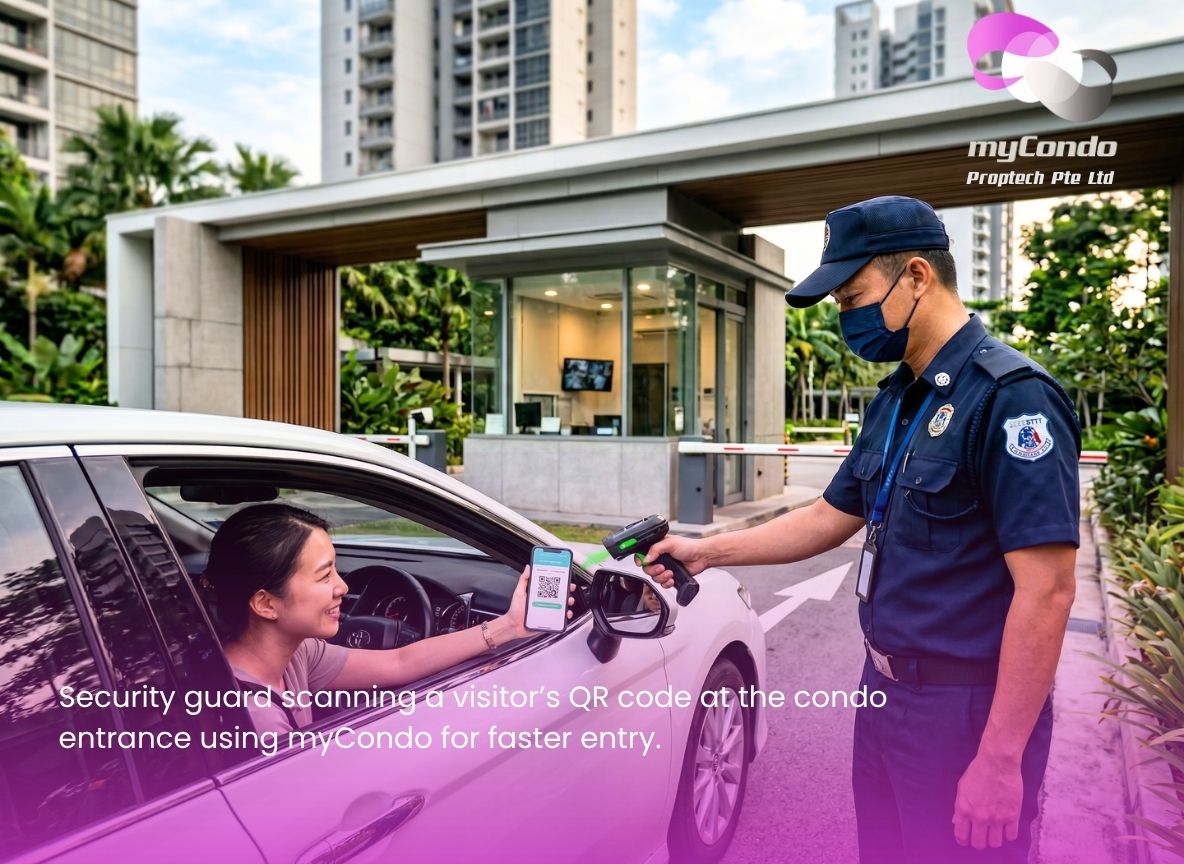
With digital visitor management, pre-registered guests scan a QR pass or are recognised by their car plate, and the barrier opens. The guard only deals with unexpected visitors and deliveries. In practice, this is where councils see the quickest improvement in resident feedback.
When a resident reports a missing parcel, a scratched car or damage to a lift, the managing agent needs to know who was on site. With a logbook, that means reading through pages of entries and then asking the CCTV vendor for footage across a wide time window.
With a digital system, the managing agent searches by unit, date or vehicle and gets an exact time. That time can be used to find the matching footage in a video platform such as Milestone XProtect, an open-platform video management software that supports more than 16,500 devices, or in an existing Hikvision recorder. What used to take an afternoon takes minutes, and the evidence is much stronger.
A logbook costs very little to buy, so it looks cheaper. But councils should compare total cost, not purchase price:
Digital visitor management usually works on a subscription for the software, plus one-time costs for any new hardware such as door stations or LPR cameras. Many condos already have compatible equipment, so the upgrade can be smaller than expected. A site survey will show what can be reused.
Residents increasingly expect to manage visitors from their phone. With an app, they can invite guests ahead of time, set up recurring passes for helpers and tutors, approve unexpected visitors remotely and get a notification when someone arrives. For older residents who prefer not to use an app, the guard can still register visitors and call the unit, so nobody is left out.
Keep a simple logbook as a fallback for system outages, power failures or network problems. It should be stored securely, used only when needed, and its entries transferred or destroyed according to your retention policy. It should not be the main way visitors are managed.
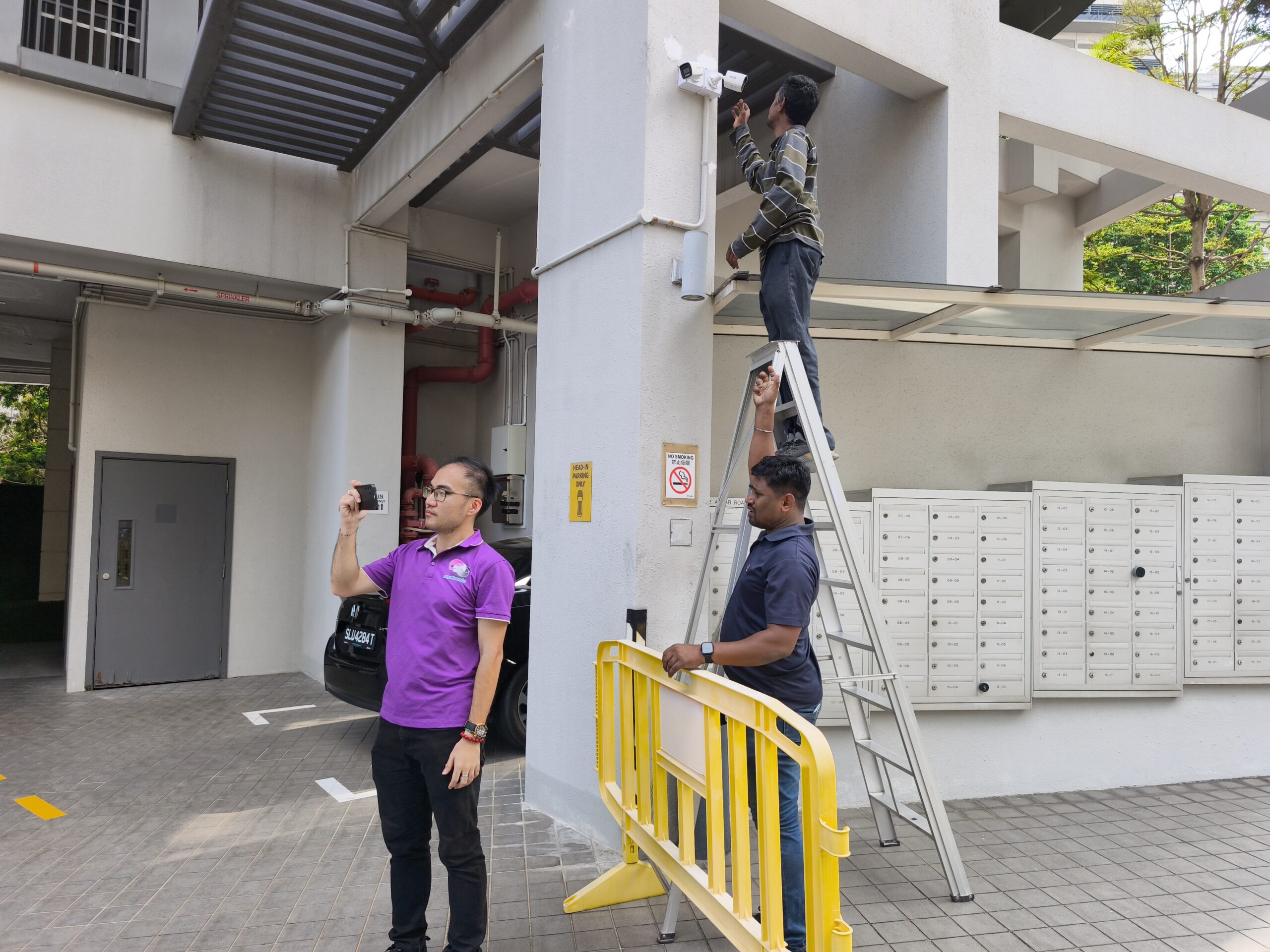
myCondo gives residents a mobile app to invite and approve visitors, gives guards a live guardhouse view, and gives managing agents and the MCST a web app for records and reports. We integrate with hardware from Dahua Technology, Hikvision, Akuvox, Milestone and more, so your visitor management, barriers, door stations and CCTV work as one system. Our Singapore team handles the site survey, setup, guard training and after-sales support.
It can be, but it is hard. The book must be protected from other visitors, should not contain full NRIC numbers, and must be disposed of when no longer needed. A digital system makes each of these easier.
Yes. Guardhouse screens are designed for quick use, and training usually takes a short session. Guards also spend less time writing and searching.
Keep a secure backup logbook for outages. Once the system is back, normal operation resumes.
Often, yes. Many existing systems from brands such as Hikvision and Dahua can be integrated. A site survey will confirm what works.
Explain the benefits, such as no queue for their guests and arrival notifications, and offer help in the lobby during the first weeks. Adoption grows quickly once residents see guests walking straight in.
Book a free visitor management review. Our team will look at your guardhouse process and existing equipment and suggest practical next steps, with no obligation.
WhatsApp or call: +65 8812 3888
Email: [email protected]
Address: 8 Ubi Road 2, #07-13 Zervex, Singapore 408538
Related reading: 7 Signs Your Condo’s Visitor Registration Process Is a Security Risk and Can Your Condo Guard Ask for Your Visitor’s NRIC?
YOU MIGHT ALSO LIKE
What does it take to switch a condo to mobile app door access? Less hardware than most councils expect, and more preparation of resident data than most managing agents expect. The readers at gates and lift lobbies must support Bluetooth, NFC or QR, but the bigger job...

When should a condo replace its intercom? When repairs become frequent, spare parts are hard to find, and residents complain that visitors cannot reach them. Many Singapore condos built in the 1990s and 2000s still run analogue or early digital intercoms wired to...
Can Singapore condos use face recognition at the gate? Yes, provided the MCST handles it responsibly. Face data is personal data under the Personal Data Protection Act (PDPA), and biometric data deserves extra care because a person cannot change their face the way...
NEVER MISS OUR ARTICLES
Get our stories delivered from us to you.