How to Write a Condo Security Upgrade Proposal Your MCST Council Will Approve
6
October
2026
MERCHANT
Promote your best aircon services on our platform where residents can avail through myCondo.
RESIDENT
Experience better condominium living and facilitate transactions for all your condo-related needs, including buying and selling products and services.
CONDO MANAGEMENT
Condo Managers get intuitive online-based system with exciting new features in administering units.
SHARE
How do you get an MCST council to approve a condo security upgrade? Present a short proposal that starts with evidence of the problem, compares two or three realistic options, shows the full cost over several years, explains how it will be funded and what residents gain, and sets out a clear timeline and next step. Councils approve proposals that are easy to understand and easy to defend to residents at the AGM.
Many security upgrades stall not because they are bad ideas, but because the proposal is a vendor brochure with a price at the bottom. Council members are volunteers. They need to explain the decision to fellow subsidiary proprietors, justify the spending and be confident that it solves a real problem. This guide gives managing agents and council members a structure that does exactly that.
Security upgrade proposal outline
| Section | What it answers | Length |
|---|---|---|
| 1. Summary | What we recommend, what it costs and why | Half a page |
| 2. The problem | What is going wrong today, with evidence | One page |
| 3. Options | Two or three realistic choices, including doing nothing | One page |
| 4. Recommendation | Which option, and why | Half a page |
| 5. Cost and funding | Upfront cost, running cost and source of funds | One page |
| 6. Impact on residents | What changes for residents, guards and the managing agent | Half a page |
| 7. Timeline and risks | When it happens and what could go wrong | Half a page |
| 8. Decision needed | The exact resolution for the council or AGM | A few lines |
Five pages is usually enough. Put vendor brochures and technical specifications in an appendix.
Councils respond to problems they recognise. Before mentioning any product, document what is going wrong:
A one-page summary with numbers and two or three resident quotes is far more persuasive than a description of features.
Councils are more comfortable when they can see alternatives. Present two or three options side by side, and always include the cost of doing nothing, such as continued repairs, complaints and risk.
Example options for a visitor and access upgrade
| Option | What it includes | Solves | Does not solve |
|---|---|---|---|
| A. Do nothing | Continue with logbook and existing hardware | No upfront spending | Queues, unverified visitors, PDPA risk, rising repair costs |
| B. Software first | Digital visitor management app using existing gates and intercoms | Pre-registration, digital records, PDPA, contractor passes | Manual barrier operation, old intercom limits |
| C. Integrated upgrade | Digital visitor management plus LPR at the car park and smart door stations at lobbies | All of the above, plus faster vehicle entry and fewer tailgating gaps | Higher upfront cost; installation works needed |
Do not leave the council to choose without guidance. State which option you recommend and give three reasons tied to the evidence in Step 1. If the budget is tight, recommend a phased approach, such as Option B now and the hardware in Option C next financial year.
Councils are often surprised by running costs after approval. Show the total cost of ownership over three to five years:
Ask vendors for itemised quotations so the council can compare like with like. If you are using equipment from established brands such as Dahua Technology, Hikvision, Akuvox or Milestone, include the model numbers and warranty terms in the appendix.
Under the Building Maintenance and Strata Management Act (BMSMA), an MCST maintains a management fund for day-to-day expenses and a sinking fund for longer-term expenditure such as replacing and upgrading common property. Which fund is appropriate, and whether the spending needs approval at a general meeting, depends on the nature and size of the works and your estate’s by-laws and past resolutions. Check with your managing agent and, where needed, seek professional advice. In the proposal, state clearly:
Residents will ask, “What changes for me?” Answer before they ask:
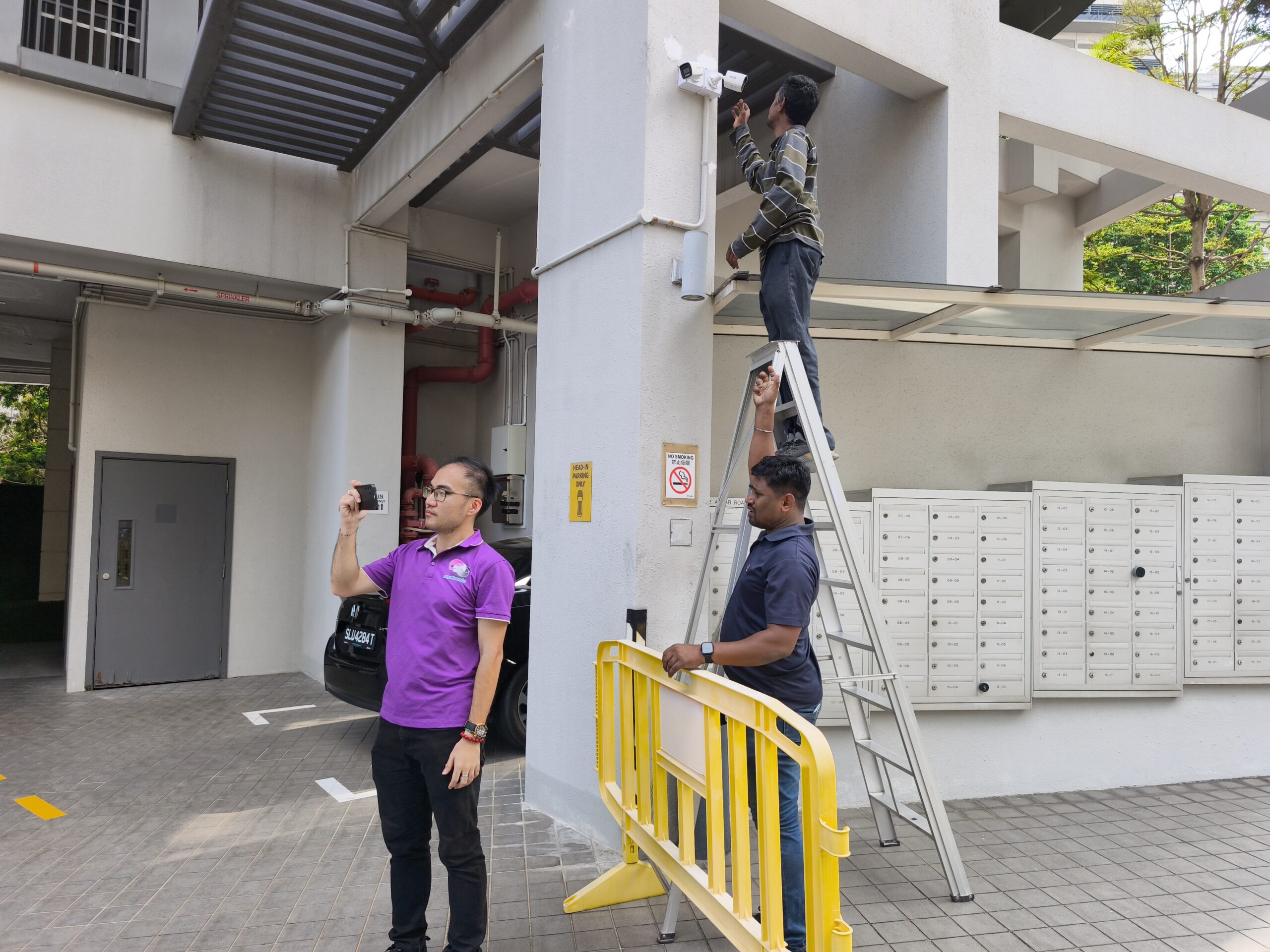
A simple timeline builds confidence: approval, site survey, ordering, installation, testing, resident onboarding and go-live. Alongside it, list the main risks and your plan for each, for example:
Close with a clear resolution, for example: “That the council approves Option B, digital visitor management, at the quoted cost, funded from the management fund, with implementation starting next month.” If the decision needs a general meeting, provide the draft motion so the council can table it.
myCondo works with managing agents and councils from the start. Our engineers survey your site, check which existing equipment can be integrated, and provide itemised options so you can present a phased plan. Our platform combines a resident mobile app, a web app for the managing agent and MCST, and guardhouse tools, integrated with hardware from Dahua Technology, Hikvision, Akuvox, Milestone and more. After approval, our Singapore team handles installation coordination, guard training, resident onboarding and after-sales support.
Many MCSTs ask for at least three for significant works, but follow your estate’s own procurement rules and by-laws.
It depends on the nature of the works and your estate’s rules. Check with your managing agent and seek professional advice where needed.
A pilot, such as digital visitor registration at one gate or block, is a good way to build confidence and gather data for the full proposal.
Incident numbers, resident complaints and simple measurements such as queue times are the most persuasive.
It varies with the size of the spending and whether a general meeting is needed. A clear proposal with options and costs shortens the discussion.
Our team can survey your estate and prepare itemised options for your council, with no obligation.
WhatsApp or call: +65 8812 3888
Email: [email protected]
Address: 8 Ubi Road 2, #07-13 Zervex, Singapore 408538
Related reading: Paper Logbook vs Digital Visitor Management
YOU MIGHT ALSO LIKE
How can you prevent parcel theft in a Singapore condo? Stop parcels from sitting unattended. Use parcel lockers or guardhouse holding, register expected deliveries, control who can reach unit doors, and make sure lobby and corridor areas are covered by CCTV linked to...
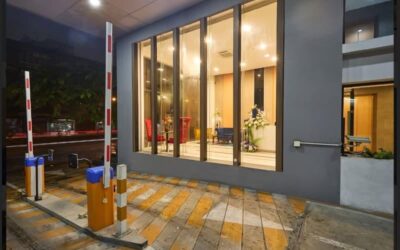
How do you cut peak-hour queues at a condo's main gate? Separate traffic so residents, pre-registered visitors, deliveries and unexpected visitors do not share one lane; move registration before arrival with an app; let licence plate recognition and QR passes handle...
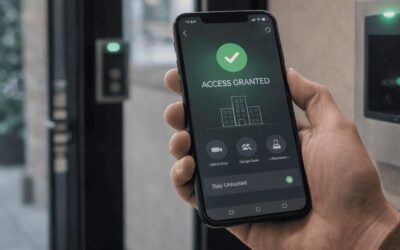
What is tailgating at a condo, and how do you stop it? Tailgating is when someone without access follows an authorised person through a gate, door or car park barrier before it closes. It is the most common way strangers get into Singapore condos. You stop it with a...
NEVER MISS OUR ARTICLES
Get our stories delivered from us to you.